
Creativity in Children & Why It’s So Important
When we think of creativity, we often picture painting, drawing, music, or craft activities. While these are wonderful ways for children to express themselves, creativity is much more than producing artwork or making something colourful.
Creativity is the ability to imagine, explore, solve problems, and think in new ways. It's a skill that supports every area of a child's development and helps lay the foundation for lifelong learning.
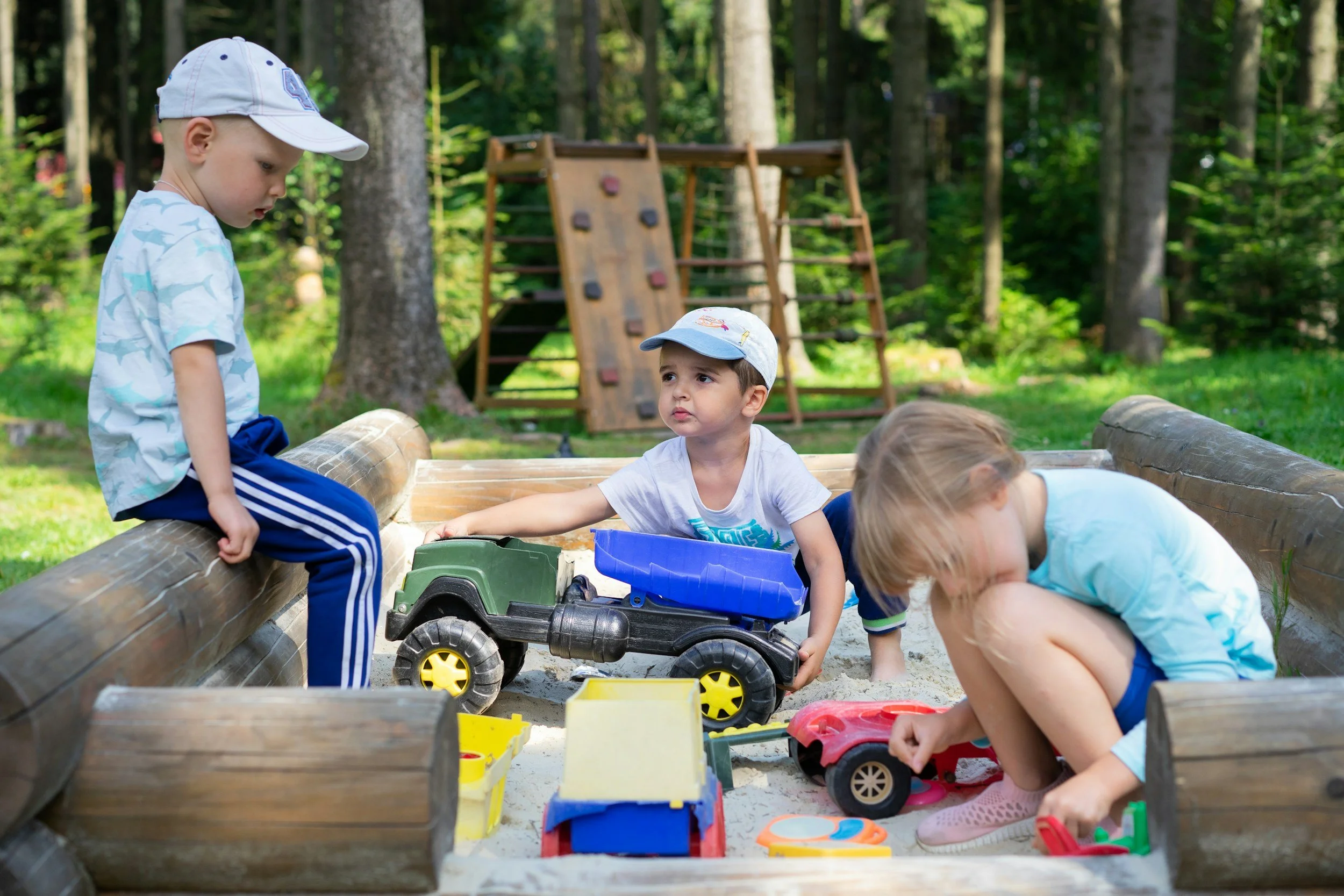
Whether children are building a tower from blocks, pretending to run a café, inventing a new game, or asking endless "why?" questions, they're developing creativity! And that's something worth encouraging.
Creativity Builds Problem-Solving Skills
Children naturally encounter challenges as they play and learn.
How can they make a tower taller without it falling over? How can they build a bridge for their toy cars? What happens if they mix different colours together?
Creative activities encourage children to experiment, make decisions, and find solutions through trial and error. They learn that there is often more than one way to solve a problem, helping them become flexible and confident thinkers.
These problem-solving skills continue to benefit them throughout school and later in life.
Creativity Supports Brain Development
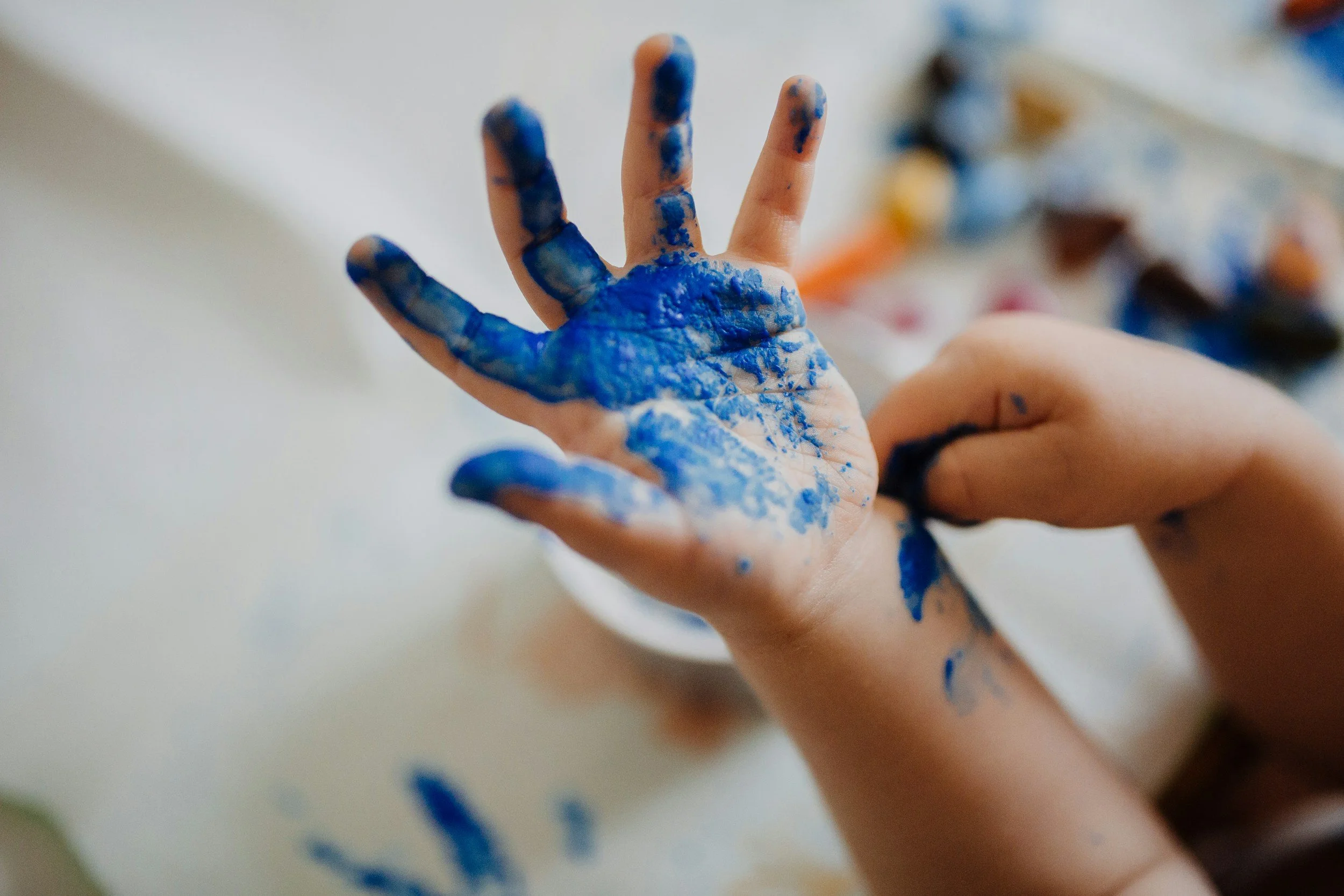
Creative play stimulates many areas of a child's brain at once.
As children imagine, create, and explore, they're developing:
Language and communication skills
Memory and concentration
Fine and gross motor skills
Emotional understanding
Critical thinking
Creative experiences encourage children to make connections between ideas, ask questions, and explore the world around them.
In many ways, creativity helps children become active learners rather than passive observers.
Creativity Encourages Self-Expression
Every child is unique, and creativity gives them an opportunity to express their thoughts, ideas, and emotions.
Whether it's through storytelling, music, dance, dramatic play, or art, creative experiences allow children to communicate in ways that go beyond words.
This is especially important for younger children, who may not yet have the vocabulary to explain how they're feeling.
By encouraging creative expression, we also help children build confidence and develop a positive sense of identity.
Creativity Strengthens Social Skills
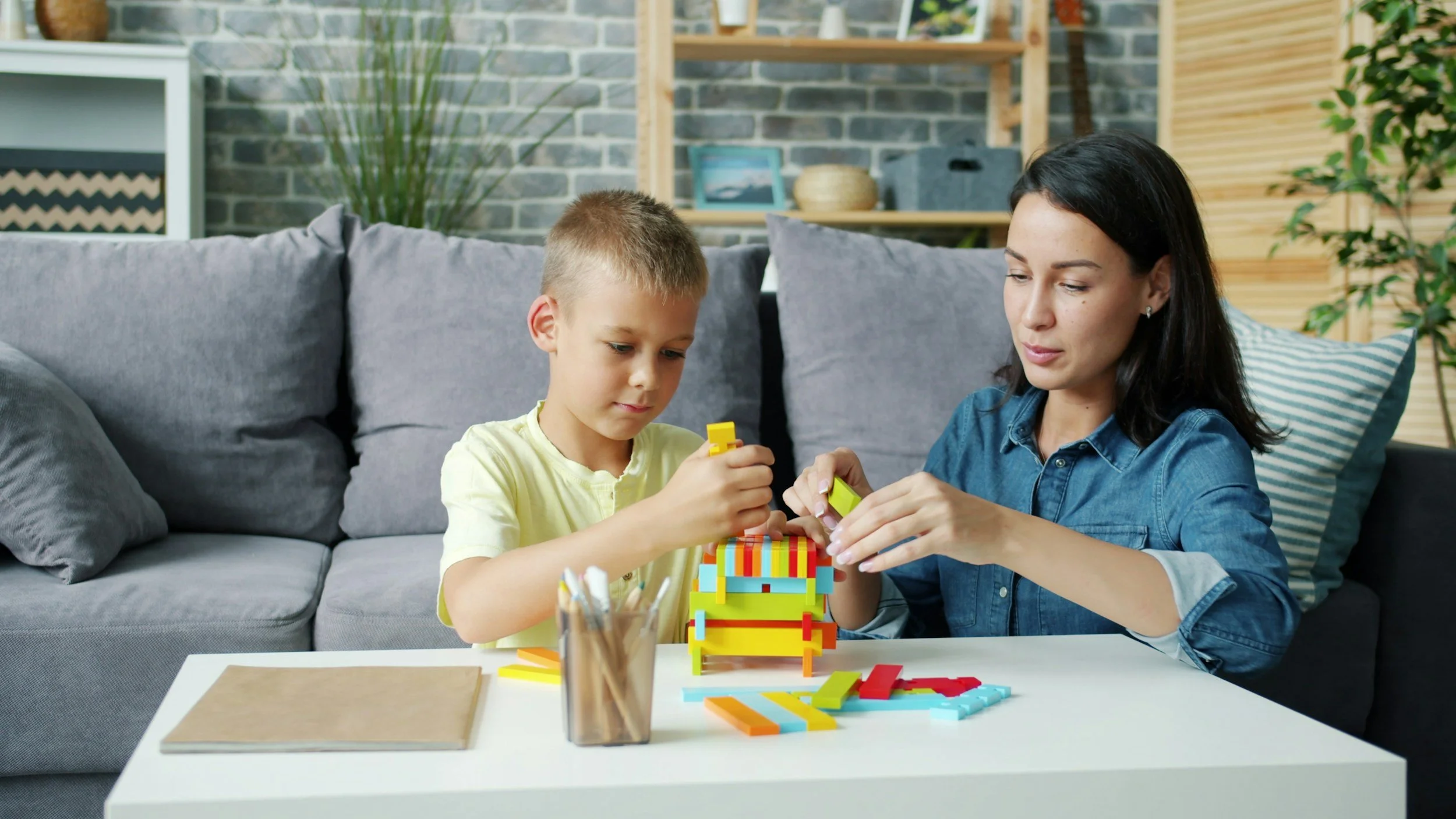
Many creative activities involve working with others.
Building cubby houses, putting on puppet shows, creating imaginary worlds, or completing group art projects all encourage children to:
Share ideas
Take turns
Listen to others
Work as a team
Respect different perspectives
These experiences help children develop important social and emotional skills while having fun.
There Isn't Always a "Right" Answer
One of the greatest things about creativity is that there are no perfect outcomes.
Unlike activities with a single correct answer, creative play encourages children to explore freely and make their own choices.
This helps children develop:
Confidence
Independence
Curiosity
Resilience
When children understand that mistakes are simply part of learning, they're more willing to try new things and take healthy risks.
Encouraging Creativity at Home
Supporting creativity doesn't require expensive toys or elaborate activities.
Simple everyday experiences can inspire imagination, including:
Reading stories together and creating new endings
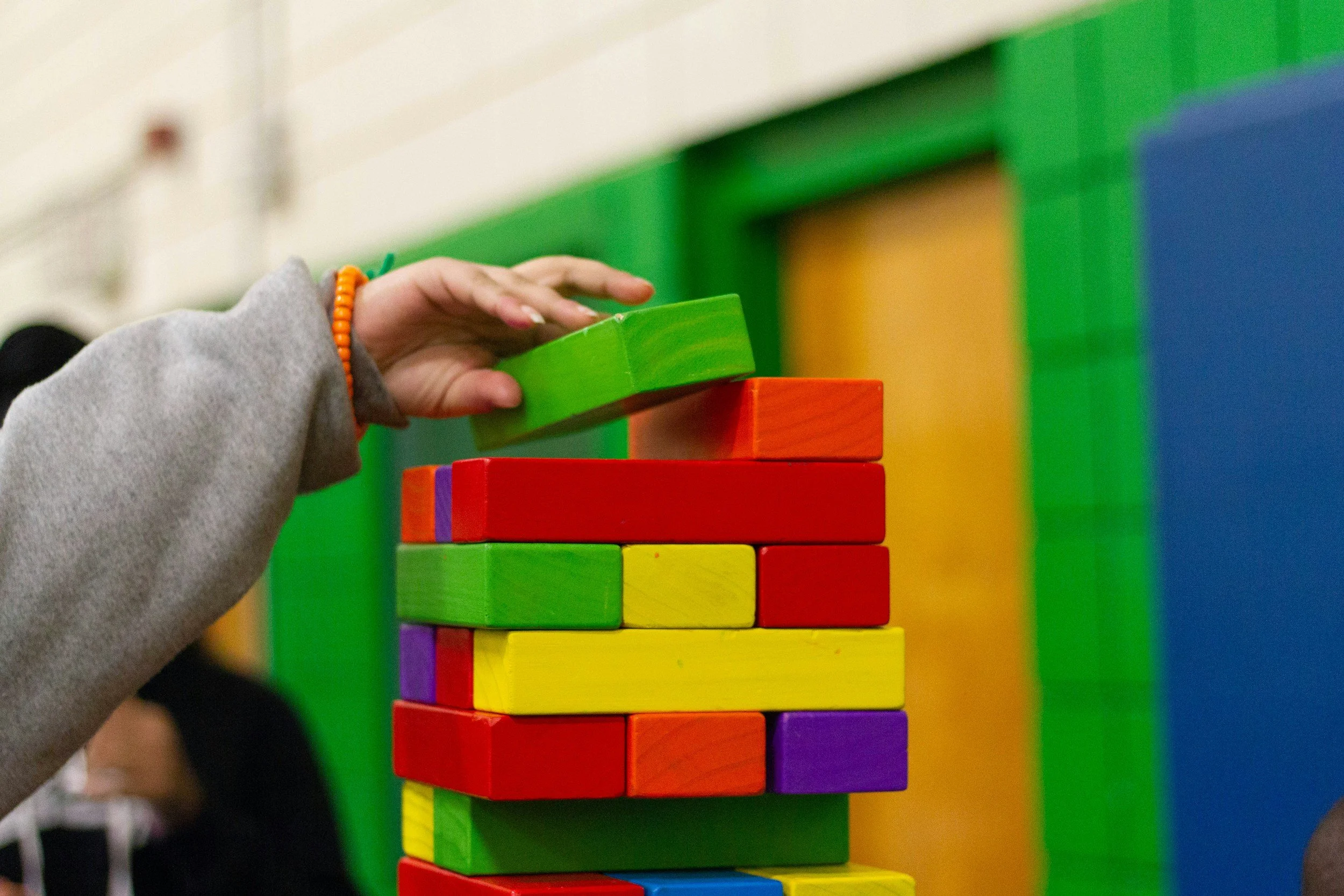
Building with blocks or recycled materials
Drawing, painting, or colouring
Playing dress-ups or pretend games
Dancing to music
Exploring nature and asking questions
Cooking together and encouraging children to help
The most important ingredient isn't the activity itself, it's giving children the time, freedom, and encouragement to explore.
The Role of Early Childhood Educators
Early childhood educators play an important role in nurturing children's creativity.
By providing open-ended activities, encouraging curiosity, and creating safe environments where children feel confident to explore, educators help foster creative thinking every day.
Rather than focusing on producing the "perfect" artwork or getting the "right" answer, quality early childhood education celebrates each child's ideas, imagination, and unique way of learning.
This approach not only supports creativity but also helps children become confident, capable learners.
Final Thoughts
Creativity is about far more than arts and crafts, it's about giving children the opportunity to think, imagine, explore, and discover.
When we encourage creativity, we're helping children develop confidence, resilience, communication skills, problem-solving abilities, and a lifelong love of learning.
Whether you're a parent, caregiver, or educator, creating opportunities for creative play is one of the greatest gifts you can give a child.
After all, today's imaginative ideas have the potential to become tomorrow's innovations.