
Working in the Aged Care Industry: What to Expect and Why It Matters
If you’re looking for a career that’s meaningful, people-focused, and full of purpose, aged care is one of the most rewarding paths you can take. It’s a field built on compassion, respect, and making a genuine difference in people’s everyday lives.
But what is it really like to work in aged care? And is it the right fit for you?
What Is Aged Care All About?
Aged care is all about supporting older Australians to live safely, comfortably, and with dignity. This can take place in a variety of settings, including:
Residential aged care facilities
In-home support services
Community care environments
Your role is to help individuals maintain their independence while providing the care and support they need.

What Does a Typical Day Look Like?
No two days are exactly the same and that’s part of what makes the role so engaging.
Depending on your position, your day might include:
Assisting with personal care (showering, dressing, grooming)
Supporting mobility and daily activities
Preparing meals or assisting with feeding
Providing companionship and emotional support
Observing and reporting changes in health or wellbeing
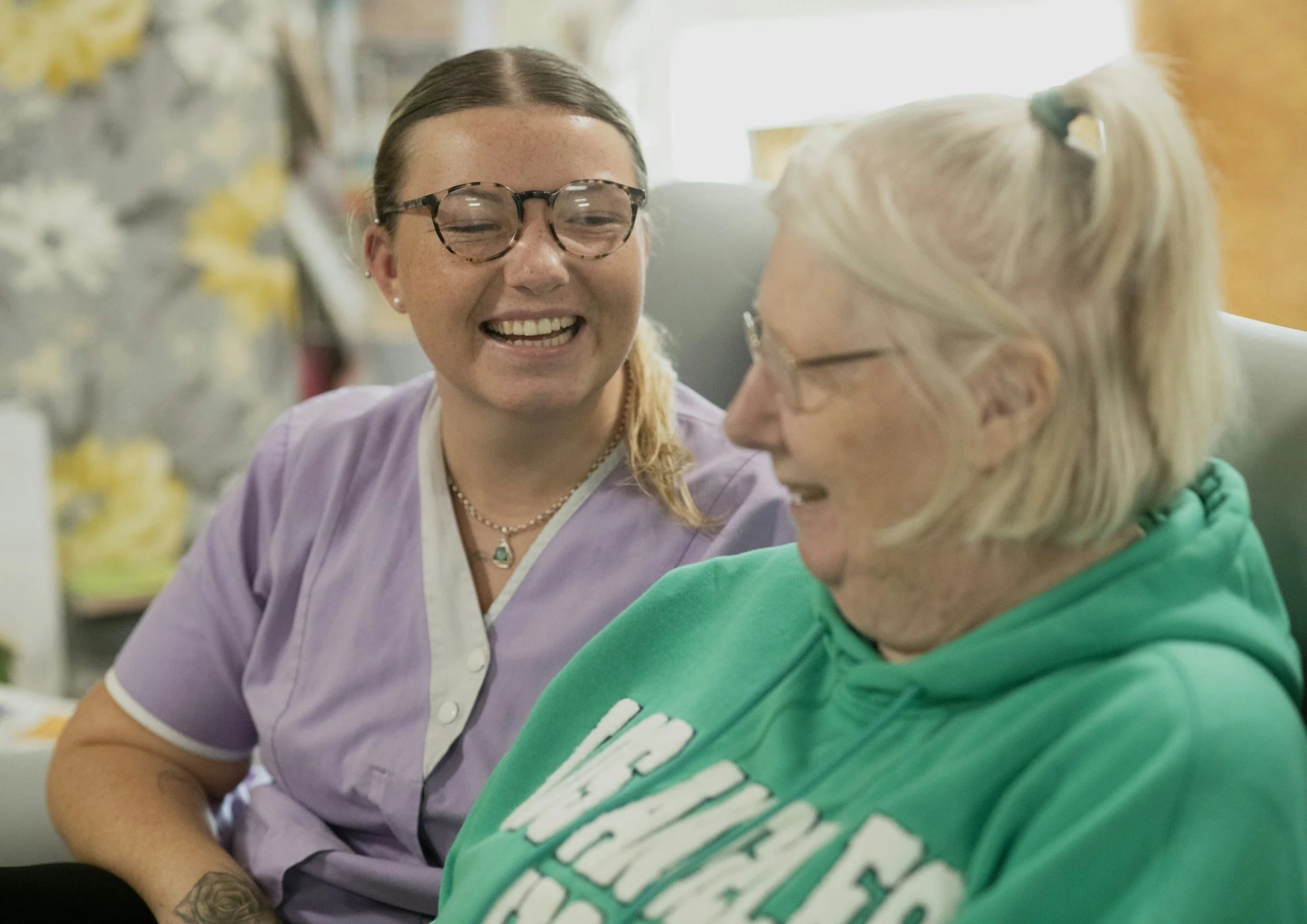
It’s a hands-on role, but it’s also deeply human. Often, the smallest moments (a conversation, a smile, a shared laugh) are the most meaningful.
The Rewards of Working in Aged Care
Many people choose aged care because they want to do work that truly matters. Some of the biggest rewards include:
Making a Real Difference - You’re supporting people in a stage of life where care and compassion matter most.
Building Strong Connections - You’ll often form close bonds with the people you care for and their families.
Job Stability - With an ageing population, the demand for aged care workers continues to grow across Australia.
A Sense of Purpose - It’s more than just a job, it’s a role where you can go home knowing you’ve helped someone.

The Challenges to Be Aware Of
It’s important to be honest. Aged care can be emotionally and physically demanding.
You may experience:
Physically active work (lifting, assisting movement)
Emotional moments, especially when supporting end-of-life care
Busy shifts and high responsibility
But with the right training, support, and mindset, these challenges become manageable, and often deeply worthwhile.
How to Get Started
To work in aged care, you’ll typically need a nationally recognised qualification, such as:
Certificate III in Individual Support (Ageing & Disability) (CHC33021)
Certificate IV in Ageing Support (CHC43015)
These courses will teach you:
How to provide safe, person-centred care
Communication and interpersonal skills
Infection control and workplace safety
Supporting independence and wellbeing
These courses also include practical placement, giving you real experience in the industry before you graduate.
Career Pathways in Aged Care
Aged care offers more variety than many people expect. As you gain experience, you may choose to move into roles such as:
Senior Support Worker
Team Leader or Supervisor
Lifestyle or Activities Coordinator
Case Manager
There are also opportunities to specialise in areas like dementia care or palliative care.
Is Aged Care Right for You?
Aged care might be a great fit if you are:
Compassionate and patient
A strong communicator
Reliable and responsible
Comfortable working closely with people
Looking for meaningful, hands-on work
You don’t need to have all the answers when you start, just the willingness to learn and the desire to care.

Final Thoughts
Working in aged care is about more than providing support. It’s about preserving dignity, creating connection, and improving quality of life.
It’s a career that challenges you, grows you, and rewards you in ways that go far beyond a payslip.
If you’re ready to make a difference, aged care could be the perfect place to start.